Introduction. In an era where realism dominates gaming visuals, World of Warcraft stands apart. Its stylized art direction—a blend of vibrant colors, exaggerated forms, and painterly textures—has become one of the most iconic aesthetics in gaming history. Two decades later, its art style not only remains instantly recognizable but also timeless. It’s a visual identity that transcends technological limitations, proving that style and emotion matter more than sheer fidelity.
This article explores why WoW’s art design continues to define the game’s identity, how it evolved over the years, and why it remains a benchmark in visual storytelling for MMOs and beyond.
The Philosophy of Style Over Realism
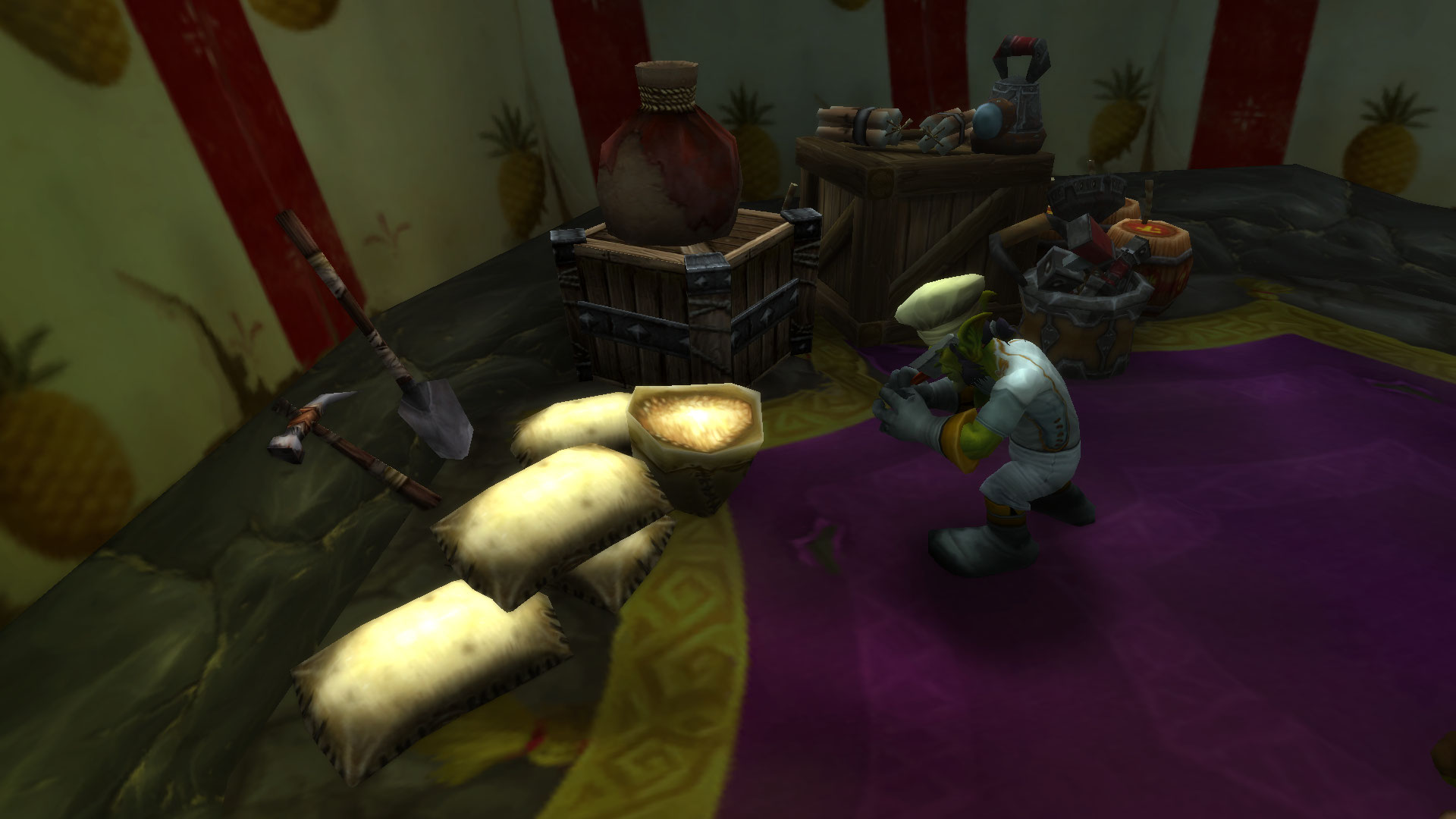
When WoW launched in 2004, its visuals were already stylized by choice, not necessity. Rather than chase realism, Blizzard pursued clarity, color, and emotion. The result was a world that felt cohesive and alive even on modest hardware. Its exaggerated proportions—towering armor, oversized weapons, expressive animations—communicated fantasy more effectively than hyper-detailed realism ever could.
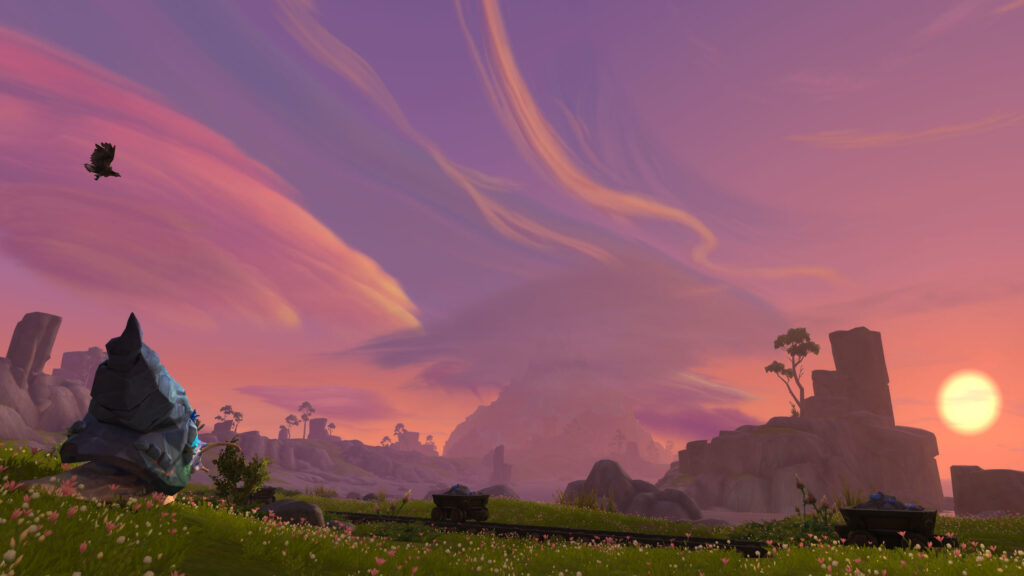
This choice gave the game longevity. While many contemporary MMOs aged poorly as technology advanced, WoW’s artistic foundation remained timeless. Its art direction embraces the fantastical instead of mimicking reality, ensuring that even as graphics improve, the world’s essence remains unmistakably “Warcraft.”
Consistency Across Eras and Expansions
Over twenty years and multiple expansions, Blizzard has refined WoW’s visuals without betraying its roots. Each new era—from Burning Crusade to Dragonflight—expanded the artistic vocabulary while maintaining stylistic unity. Updated textures, lighting, and character models enhance depth and realism, yet the game’s soul—the bold lines, exaggerated proportions, and distinct color palettes—remains intact.
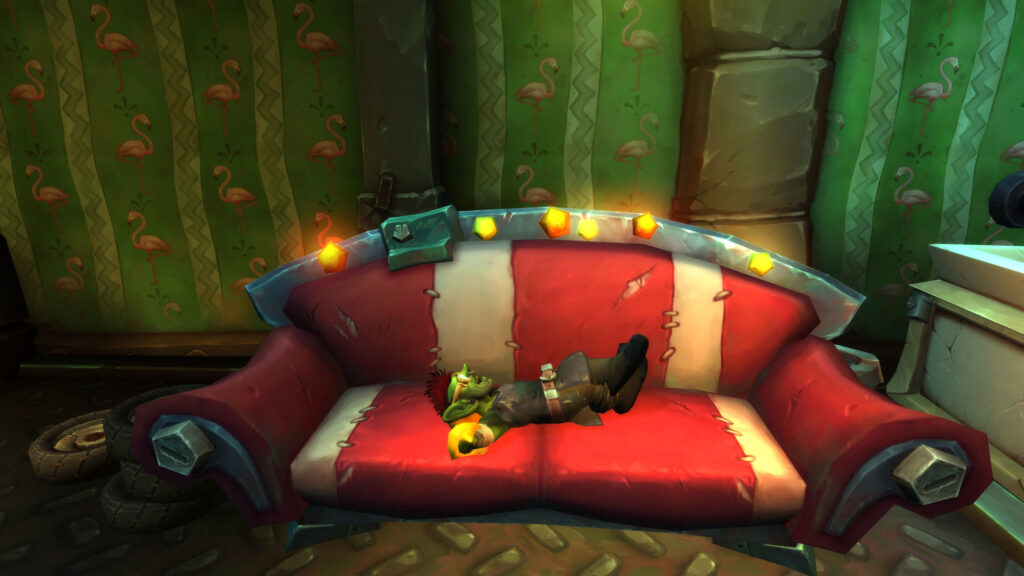
This consistency ensures visual continuity across the massive game world. Whether players explore the ancient forests of Ashenvale or the volcanic depths of the Dragon Isles, everything feels connected by a shared artistic DNA. Blizzard’s art team treats every update as evolution, not replacement—a philosophy that keeps the world cohesive even as it grows.
Color, Emotion, and Storytelling
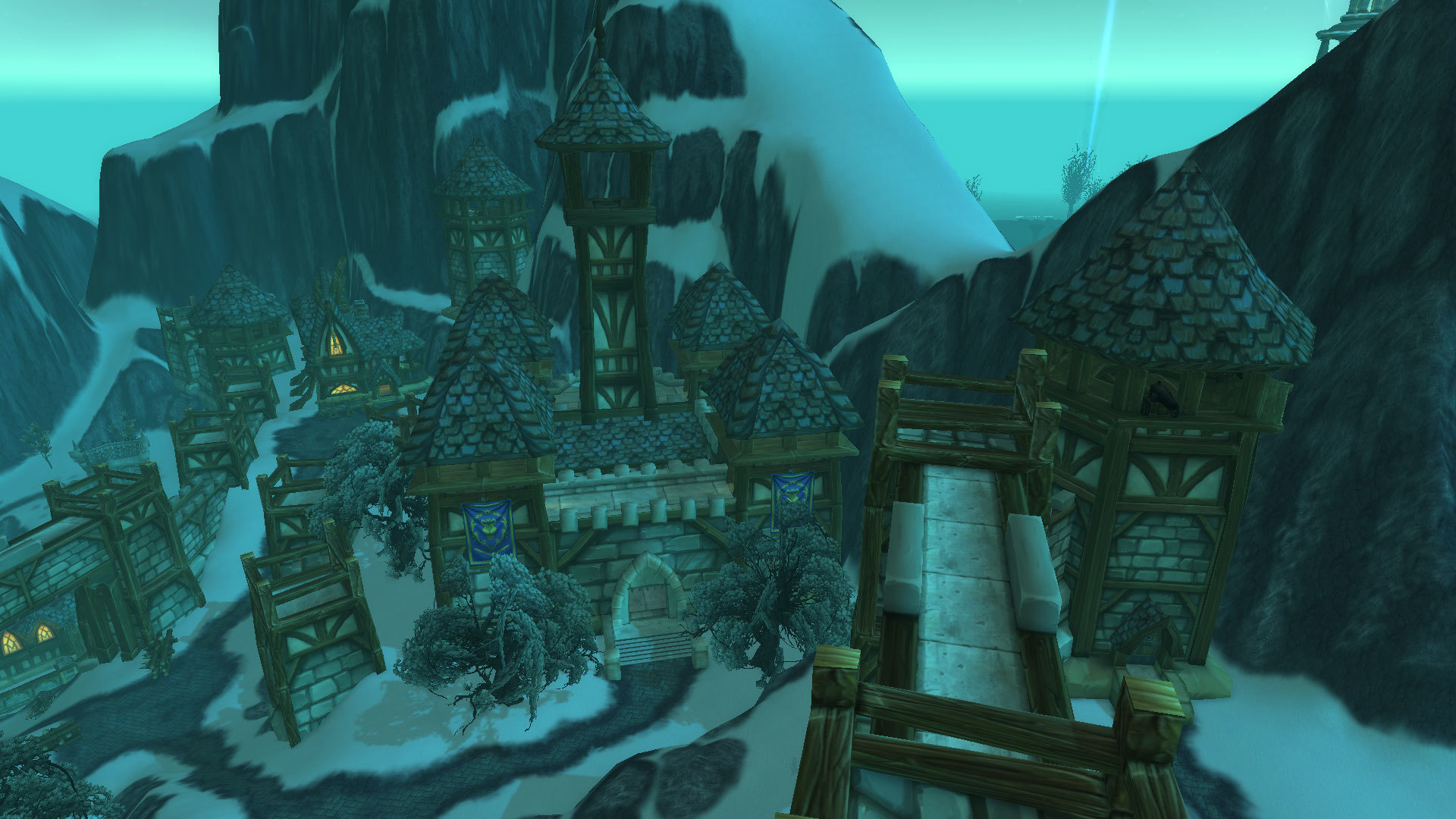
WoW’s art communicates emotion through color and light. Each zone’s palette tells a story long before a quest begins. The golden hues of Westfall convey warmth and desolation; the cold blues of Northrend evoke loss and grandeur; the purples and greens of Suramar suggest beauty tinged with corruption. Every visual decision reinforces mood and narrative.
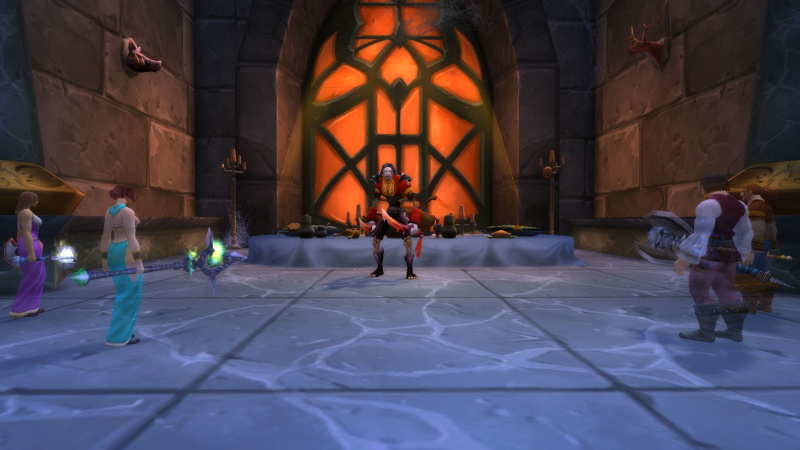
Even armor and spell effects follow this philosophy. The crimson glow of a Warlock’s chaos bolt or the radiant shimmer of a Paladin’s blessing immediately convey power and identity. Blizzard’s mastery of color theory transforms gameplay feedback into emotion, allowing players to “feel” their abilities through sight alone.
| Visual Element | Design Philosophy | Example Zone or Feature | Emotional Impact |
|---|---|---|---|
| Color Palette | Use of distinct hues to define mood | Northrend (icy blues and whites) | Evokes melancholy and majesty |
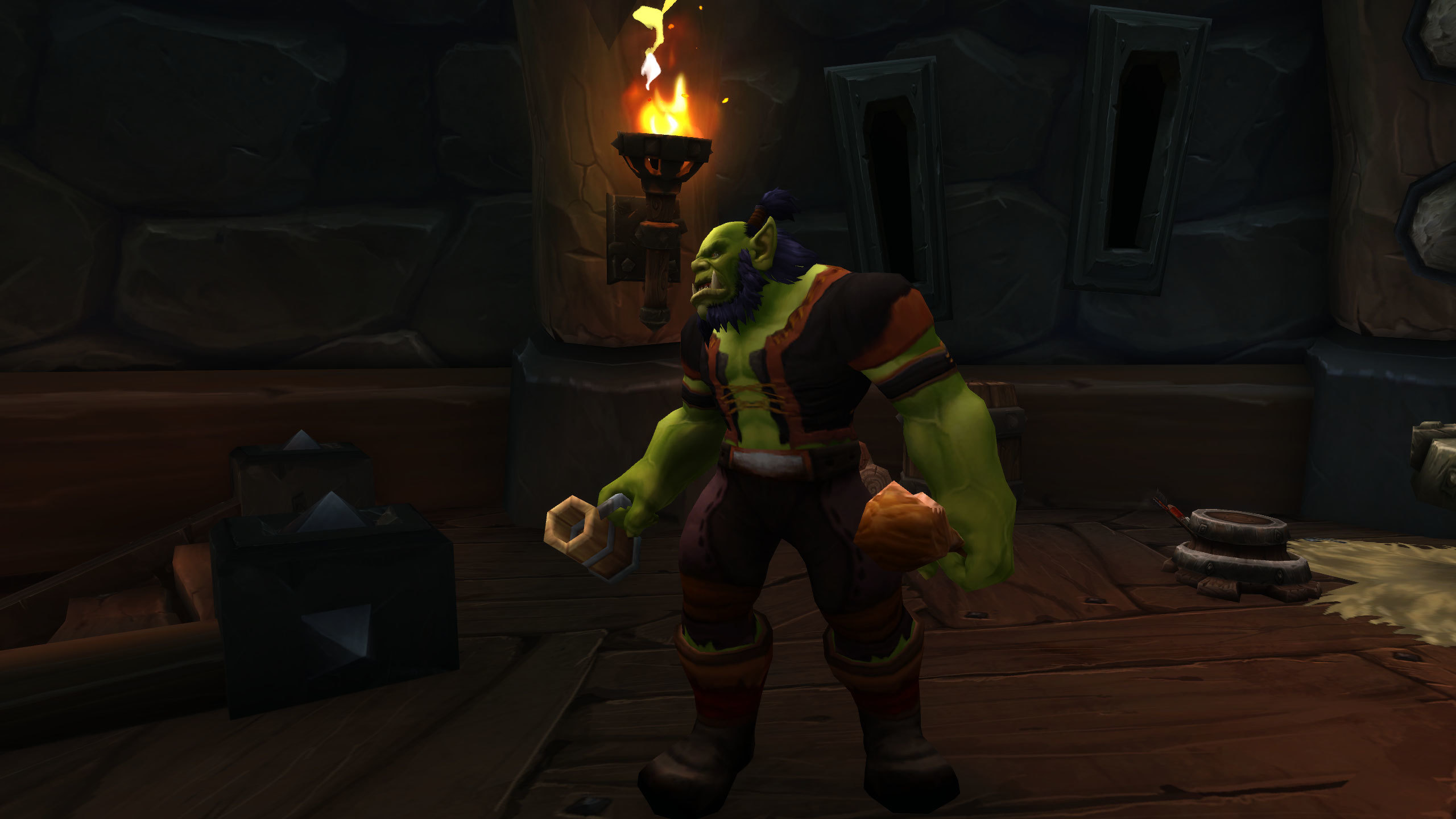
| Exaggeration | Amplify silhouettes for readability | Orc and Night Elf character design | Expresses cultural personality instantly |
| Lighting | Enhance atmosphere through tone and depth | Suramar’s twilight glow | Creates mystery and beauty |
| Animation | Prioritize expressiveness over realism | Combat stances and emotes | Adds charm and personality |
Evolution Through Technology
Modern expansions have shown how far Blizzard can push the original art style without breaking it. Improved rendering, particle effects, and high-resolution textures elevate the fidelity while maintaining the painterly foundation. This evolution proves that style can coexist with progress—the key is consistency in artistic intent, not polygon count.
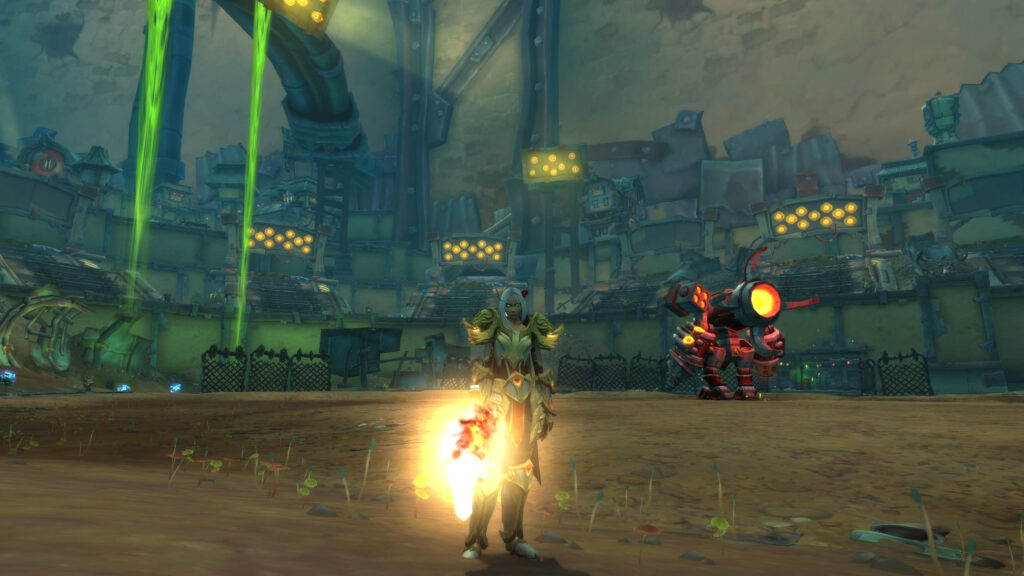
In Dragonflight, zones like the Azure Span showcase how contemporary graphics amplify emotional storytelling. The sweeping skies, soft mist, and intricate fauna all retain WoW’s classic artistic fingerprints while embracing new tools. Blizzard’s dedication to style ensures that WoW’s visuals age gracefully, even as technology evolves.
The Lasting Influence of WoW’s Art Direction
WoW’s visual identity has influenced countless games, from indie RPGs to blockbuster MMOs. Its stylization demonstrated that accessibility and personality could triumph over realism. More importantly, it set a precedent for artistic integrity in live-service games—proving that consistent art direction builds brand strength as effectively as gameplay itself.
Players recognize Azeroth instantly, not because it’s realistic, but because it’s emotionally real. The art doesn’t just depict a world—it defines one. Through every era, Blizzard’s commitment to visual storytelling ensures that Azeroth will remain one of gaming’s most iconic and beloved worlds.
Conclusion
WoW’s art style endures because it’s built on timeless design principles—clarity, emotion, and imagination. In a landscape obsessed with realism, Blizzard’s decision to prioritize artistry over accuracy has made Azeroth eternal.
Two decades later, the game’s painterly landscapes and expressive characters remain unmistakable, proving that true beauty in gaming isn’t found in pixels per inch, but in the heart and soul of design.