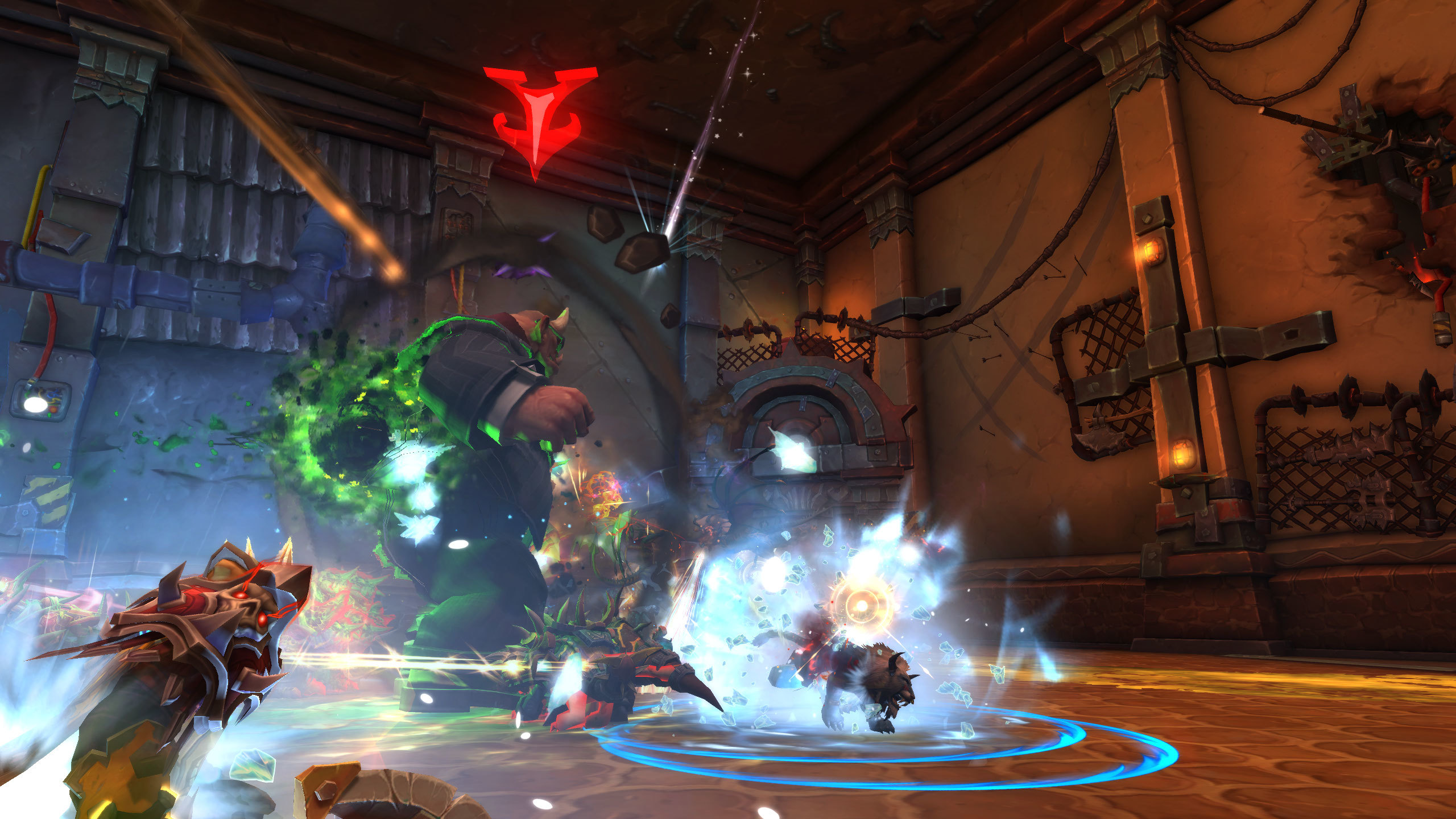
Raid progression momentum depends heavily on stable roster management. While strategy and execution matter, consistency in personnel determines how efficiently teams convert learning into kills.
Frequent roster changes disrupt rhythm, communication, and trust. Stable rosters allow teams to build shared understanding that compounds across weeks.
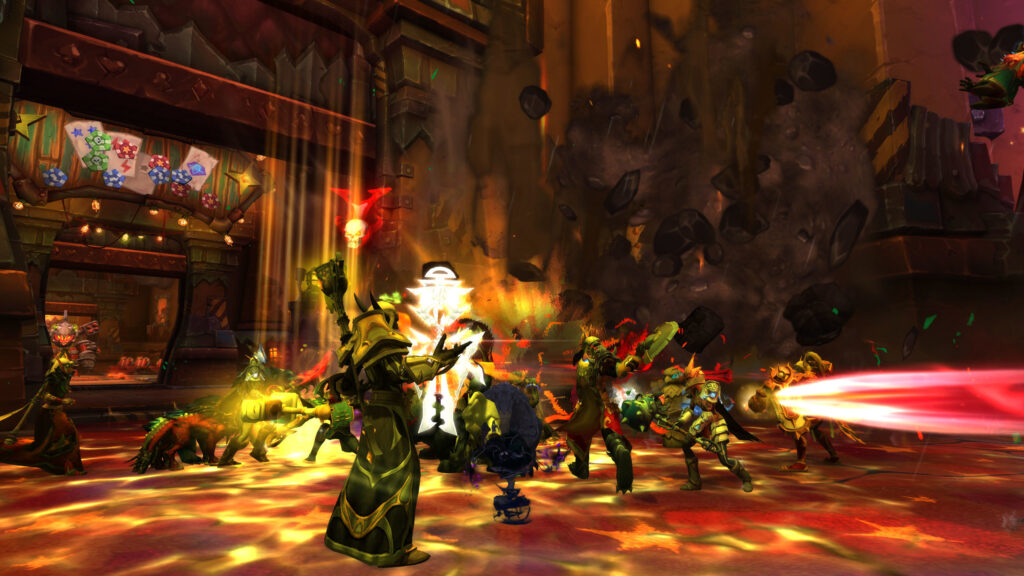
Roster Stability Preserves Learning Continuity
Each raid pull builds on the previous one. When players change frequently, knowledge gaps emerge and progress slows.
Stable rosters retain context. Everyone understands previous mistakes, adjustments, and expectations without repeated explanation.
Consistency Strengthens Communication Patterns
Teams develop efficient communication through repetition. Callouts become shorter, clearer, and more precise.
With stable rosters, players anticipate each other’s needs. This reduces hesitation during high-pressure moments.
Role Familiarity Improves Execution
When roles remain consistent, players internalize responsibilities deeply. Execution becomes instinctive rather than conscious.
This familiarity reduces mental load, allowing focus on mechanics rather than coordination.
Stable rosters also simplify strategy adjustments, as leaders can rely on known strengths instead of reassigning constantly.
| Roster State | Immediate Effect | Progression Outcome |
|---|---|---|
| Stable lineup | Clear execution | Steady advancement |
| Frequent swaps | Relearning cycles | Stalled progress |
| Role consistency | Reduced errors | Faster kills |
| Roster uncertainty | Lower confidence | Momentum loss |
Stability Builds Trust and Morale
Players perform better when they trust their teammates. Stable rosters create accountability and shared ownership of progress.
This trust keeps morale steady during difficult phases, preventing frustration from turning into disengagement.
Conclusion
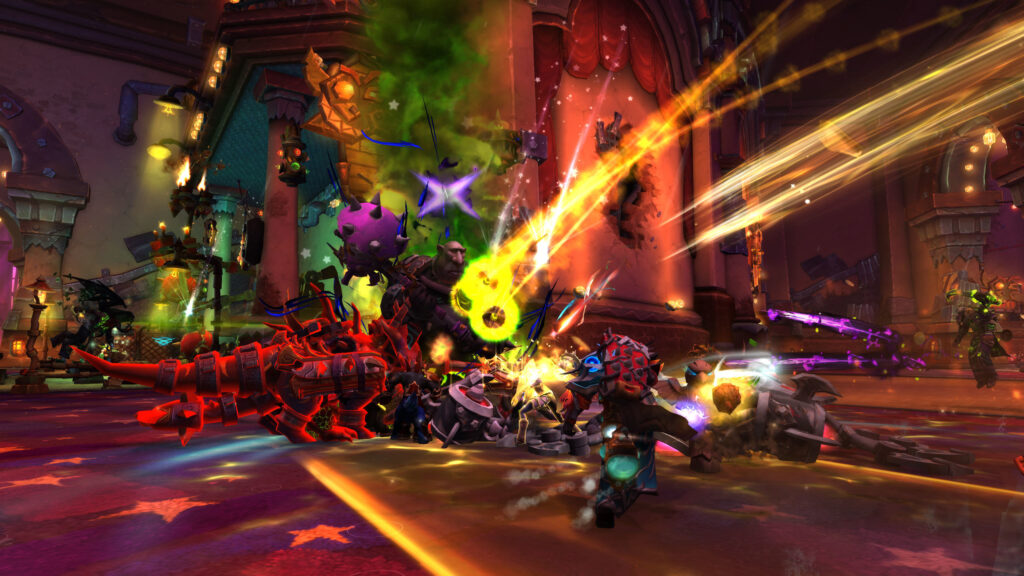
Raid progression momentum relies on stable roster management by preserving learning, communication, and trust.
Teams that prioritize consistency maintain forward motion even during challenging encounters and long progression cycles.