Every expansion in World of Warcraft adds new stories—but none stand alone. Blizzard’s worldbuilding thrives on continuity, weaving threads from the past into every new chapter. From forgotten characters reemerging to ancient prophecies fulfilled, each expansion builds upon the mythos that came before. This layered approach makes Azeroth feel not like a series of eras, but a single, evolving narrative tapestry.
This article explores how Blizzard’s storytelling connects the old with the new, ensuring that every adventure, no matter how distant, remains part of one timeless world.
Legacy as Foundation
Rather than erasing its history, WoW builds upon it. Classic’s wars between Horde and Alliance shaped Burning Crusade’s politics. Northrend’s tragedy echoed through Shadowlands. Even seemingly unrelated expansions share roots—each one an echo of the world’s larger mythology. By layering its lore, Blizzard maintains emotional continuity across generations of players and characters alike.
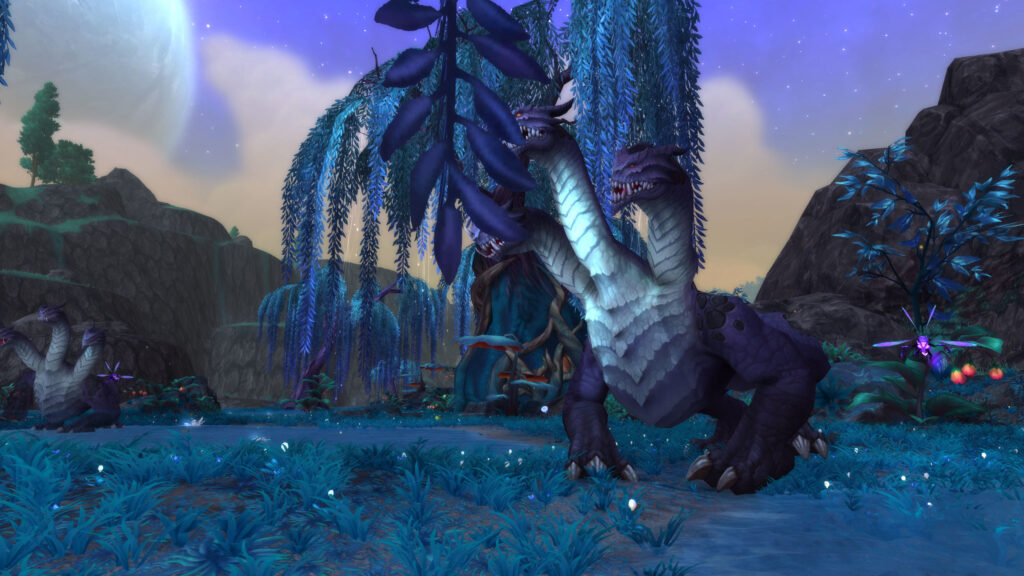
In Azeroth, every future begins with remembering the past.
The Return of Forgotten Heroes
WoW’s storytelling often reintroduces characters long thought gone. Illidan’s redemption in Legion, Wrathion’s guidance in Dragonflight, and Ysera’s rebirth in Shadowlands are powerful examples of narrative threads coming full circle. These callbacks reward long-term fans while keeping the world cohesive. No storyline ever truly ends—it simply waits to resurface in a new light.
Blizzard’s world remembers, and that memory gives it depth.
Old Conflicts, New Perspectives
Classic-era rivalries—like the tension between factions or the legacy of the Scourge—are continually reimagined. Instead of recycling old ideas, Blizzard reframes them. The Legion’s defeat gave rise to cosmic questions; the fall of Sylvanas sparked philosophical ones. This reframing allows familiar themes to evolve without stagnating, giving veterans nostalgia and newcomers clarity.
It’s not repetition—it’s resonance.
| Expansion | Connected Legacy | How It Resurfaced |
|---|---|---|
| Legion | The Burning Crusade | Illidan’s story and the final war against the Legion |
| Shadowlands | Wrath of the Lich King | Sylvanas, Bolvar, and the shattering of the Helm of Domination |
| Dragonflight | Cataclysm | Elemental themes and the legacy of Deathwing’s destruction |
| The War Within | Classic & Legion | Return to Titan lore and ancient world roots beneath Azeroth |
Environmental Storytelling and Echoes of the Past
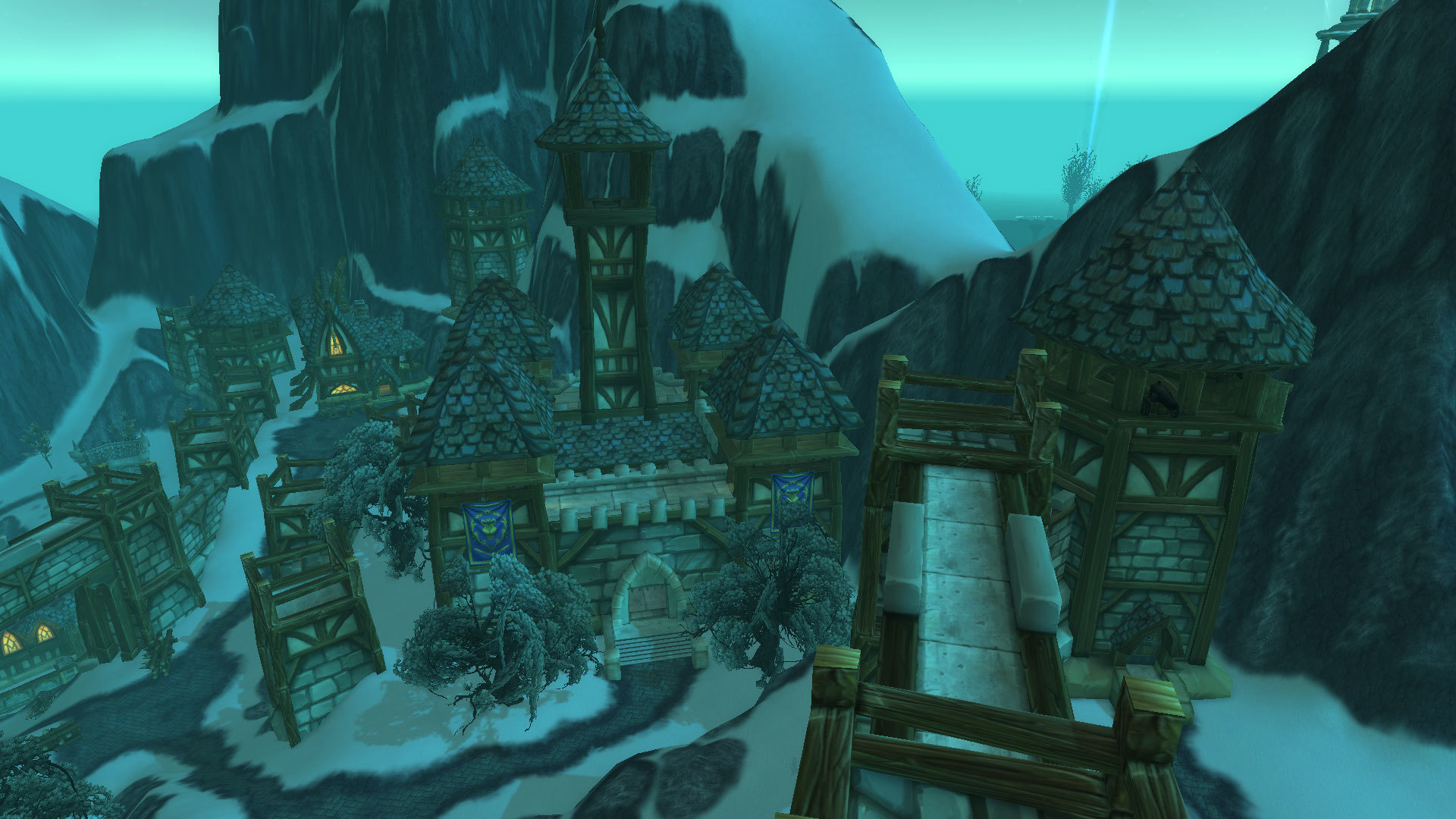
WoW’s zones are living archives. Ruins, relics, and NPC dialogue preserve fragments of earlier eras. From Northrend’s abandoned Scourge fortresses to Pandaria’s temples reclaimed by nature, the world reflects the consequences of its own history. Players don’t just read lore—they walk through it. Every scar on the landscape tells a story that connects past expansions to the present day.
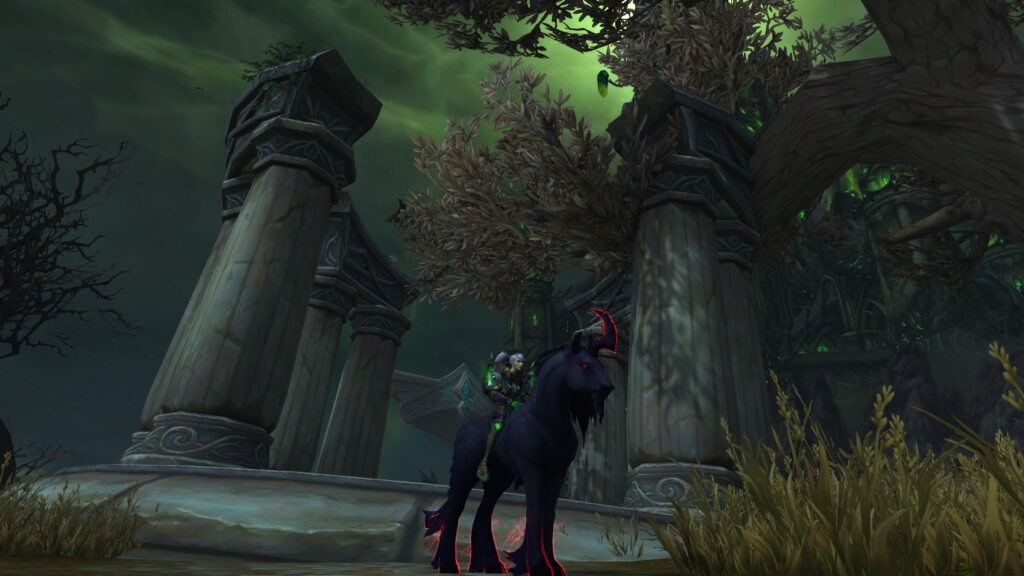
In Azeroth, the world itself is a storyteller.
Thematic Continuity: From Mortality to Meaning
Across all expansions, Blizzard’s lore arcs share universal themes—mortality, identity, redemption, and legacy. The Burning Legion questioned faith; Shadowlands explored afterlife and consequence; The War Within returns to introspection and purpose. These recurring ideas ensure that despite shifting settings, WoW’s emotional heart remains consistent. Each story answers questions posed by the one before.
It’s a conversation across decades—between stories, developers, and players alike.
The War Within: A Reflection of Everything Before
The War Within stands as the culmination of Blizzard’s narrative philosophy. By revisiting Titan architecture, exploring subterranean realms, and reconnecting with legacy systems, it embodies the idea that history isn’t linear—it’s cyclical. The echoes of Legion, Cataclysm, and even Classic resonate through its themes. The story isn’t about what’s next for Azeroth—it’s about what’s always been there, waiting beneath the surface.
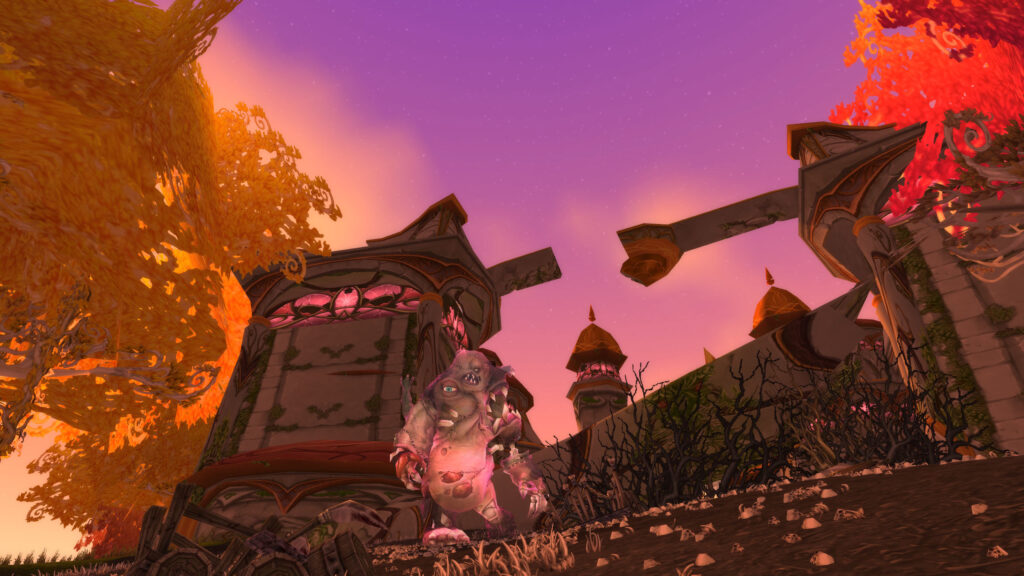
It’s not just a sequel—it’s a synthesis.
Conclusion
WoW’s power lies in memory. Every expansion, every zone, and every character builds upon the stories that came before. Blizzard’s approach to continuity transforms nostalgia into connection—reminding players that their past adventures still matter. In Azeroth, history doesn’t fade; it lives, breathes, and evolves with every patch and expansion.
The future of Warcraft isn’t written apart from its past—it’s written because of it.